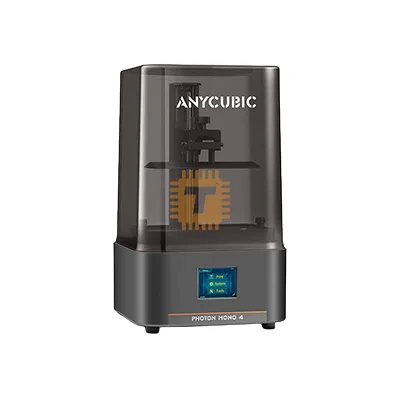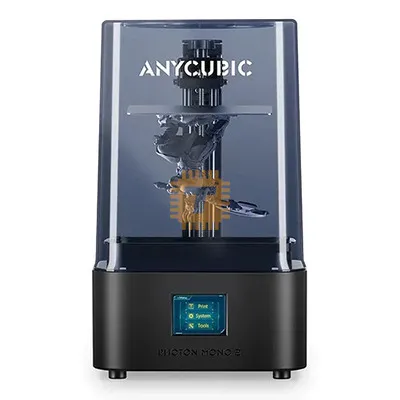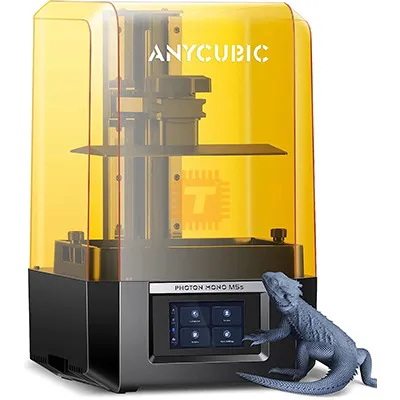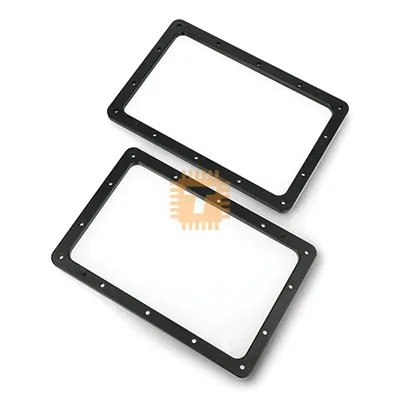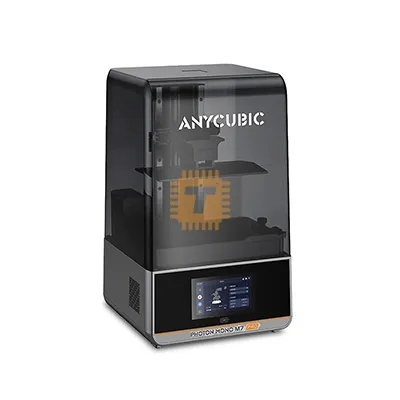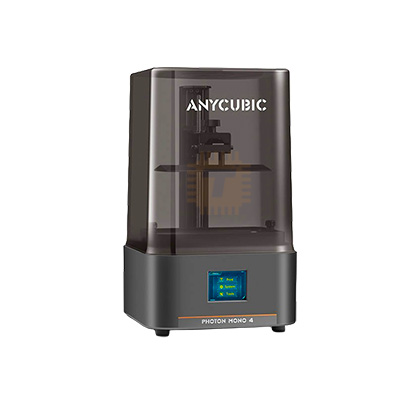
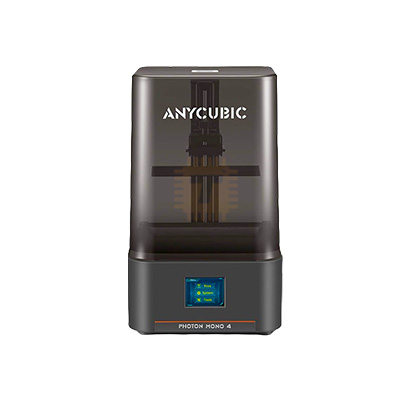
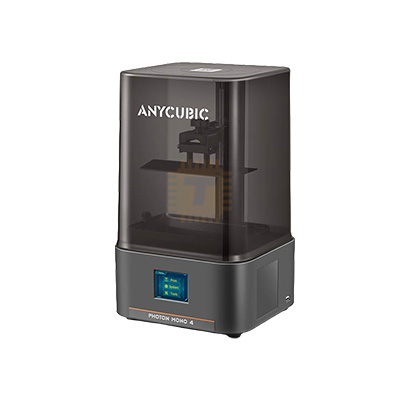
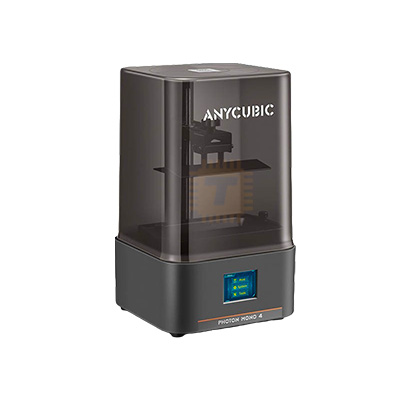
Anycubic Photon Mono 4 LCD Resin 3D Printer Price in Sri Lanka

Tronic.lkListing · checkedChecked 10 Nov 2026
Rs85,000Out of stock
Go to Tronic.lk ↗https://tronic.lk/product/anycubic-photon-mono-4-lcd-resin-3d-printerCall0777854444WhatsApp+94764485607
Search for it on
Price history
Price at Tronic.lk at the end of each day · last 90 daysNo price history yetWe started tracking this listing recently. The chart and change tables appear after the first price or stock change.
Price insights
- Today at Tronic.lk
- Rs85,000
Description
The Anycubic Photon Mono 4 is an entry-level desktop MSLA (masked stereolithography) LCD resin 3D printer engineered to deliver fine detail on a budget. Featuring a 7-inch 10K monochrome LCD screen, it produces an XY resolution of 17 × 17 microns for sharp edges, crisp text, and smooth miniature surfaces. With a compact build volume, straightforward offline USB workflow, and reliable parallel matrix UV lighting, it serves as an accessible introduction to high-precision resin printing without the complexity or cost of oversized industrial setups.
Specifications
- Print Technology: Masked Stereolithography (MSLA / LCD)
- LCD Display: 7.0-inch monochrome LCD (10K resolution)
- Screen Resolution: 9024 × 5120 pixels
- XY Precision / Pixel Size: 17 × 17 µm
- Build Volume: 153.4 × 87 × 165 mm
- Layer Thickness Range: 0.03 – 0.15 mm
- Print Speed: Up to 70 mm/h (using specialized high-speed resin; standard resins operate at ~20–50 mm/h)
- Light Source: Upgraded Parallel Matrix / LighTurbo UV system (405 nm)
- Build Platform: Laser-engraved aluminum alloy plate
- Z-Axis System: Single high-precision linear rail with lead screw
- Vat / Release Film: Standard FEP release film
- Leveling System: Manual 4-point screw leveling
- Control Interface: 2.8-inch color touchscreen
- File Transfer: USB drive (offline)
- Compatible Materials: Standard 405 nm UV resins (Standard, ABS-Like, Water-Washable, Tough, High-Speed, Plant-Based)
- Machine Dimensions: 230 × 235 × 391 mm
- Machine Weight: ~4.0 kg
Features
- High-Density 10K Resolution: Packs 9024 × 5120 pixels across a 7-inch monochrome screen, delivering 17 µm horizontal precision that minimizes visible layer stepping and renders micro-textures on small sculpts.
- Laser-Engraved Build Plate: The aluminum platform features a laser-etched pattern to promote consistent first-layer grip during printing while allowing easy part removal with a scraper.
- Even Light Distribution: Utilizes an upgraded matrix UV light source to deliver uniform light intensity across the entire print plane, preventing edge distortion and incomplete layer curing.
- Pre-Installed Screen Protection: Comes equipped with a replaceable, scratch-resistant protective film over the LCD to prevent permanent resin cure damage in the event of a vat leak.
- Clean, Simple Offline Operation: Operates via a straightforward 2.8-inch touchscreen interface and plug-and-play USB transfer, avoiding network drops, firmware accounts, or app dependencies.
Common Applications
- Tabletop Miniatures & Wargaming: Detailed DnD characters, Warhammer-scale armies, intricate bases, and sculpted display busts.
- Jewelry Design & Casting: Fine jewelry patterns, rings, master molds, and positive casts using castable resin.
- Dental Study Models: Orthodontic models, crowns, and diagnostic study casts requiring sub-50 µm tolerances.
- Scale Modeling & Dioramas: Precision aircraft/armor aftermarket parts, cockpit instrument panels, scale wheels, and small mechanical components.
- Product Prototyping: Small consumer gadget housings, custom tactile buttons, and precision fit-check assemblies.
Usage Tips
- Prioritize Safety & Ventilation: Always handle liquid resin in a well-ventilated space. Wear non-reactive nitrile gloves, eye protection, and an organic vapor respirator to avoid skin contact and resin fume exposure.
- Dial in Exposure with Calibration Prints: Before attempting major projects, print an exposure matrix (such as the Cones of Calibration or XP2 Validation Matrix) to dial in base and normal layer cure times for your specific brand and room temperature.
- Keep Resin Warm: Photopolymer resins cure most consistently at temperatures between 21 °C and 28 °C (70 °F–82 °F). Cold ambient temperatures cause under-curing, layer separation, and support failure.
- Angle Models & Add Drain Holes: Position flat or concave surfaces at a 30° to 45° angle relative to the build plate to reduce suction pull on the FEP film. Always add drainage and vent holes near the base of hollow models to prevent vacuum explosions and trapped uncured resin.
- Inspect and Protect the FEP: Check the bottom of the vat regularly for resin chips or cloudy wear spots. After print failures, use the onboard "Vat Clean" exposure function to peel up cured debris as a single sheet rather than gouging the film with a scraper.
Questions
About this listing at Tronic.lkWhat is the price of Anycubic Photon Mono 4 LCD Resin 3D Printer at Tronic.lk in Sri Lanka?
Rs 85,000, checked 10 Nov 2026.
Is Anycubic Photon Mono 4 LCD Resin 3D Printer in stock at Tronic.lk in Sri Lanka?
No, it was out of stock at Tronic.lk at the last check.
Where can I buy Anycubic Photon Mono 4 LCD Resin 3D Printer in Sri Lanka?
Tronic.lk sells it on tronic.lk. You can also call or WhatsApp the shop during opening hours.
Rs85,000at Tronic.lk · Out of stock
Go to Tronic.lk ↗https://tronic.lk/product/anycubic-photon-mono-4-lcd-resin-3d-printer